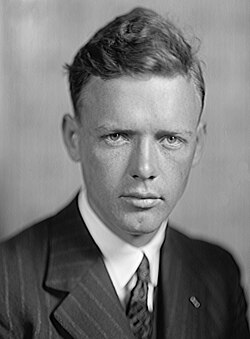
In the summer of 1927, Charles Lindbergh became the most celebrated man in America. His solo flight across the Atlantic transformed him into something more than a pilot—he was a symbol of modernity, courage, and American ingenuity. Newspapers called him Lucky Lindy. Children memorized his name. Politicians sought his approval.
Fourteen years later, that same figure stood before a crowd in Des Moines and delivered a speech that shattered his reputation beyond repair.
The collapse was not of a nation or an empire—but of public trust, at one of the most dangerous moments of the twentieth century.
~~~~~~~~~~~~~~~~~~~~~~~~~~~~~~~~~~~~~~~~~~
The Allure of Power and Precision
In the late 1930s, Lindbergh traveled repeatedly to Europe at the invitation of officials from Nazi Germany. The trips were framed as technical inspections. Lindbergh was, after all, an aviation expert, and Germany was eager to impress him.
What he saw astonished him.
Germany’s airfields were efficient. Its aircraft modern. Its production capacity formidable. Lindbergh returned to the United States warning that American air power lagged dangerously behind. In private correspondence, he praised German organization and discipline—rarely mentioning the regime’s brutality.
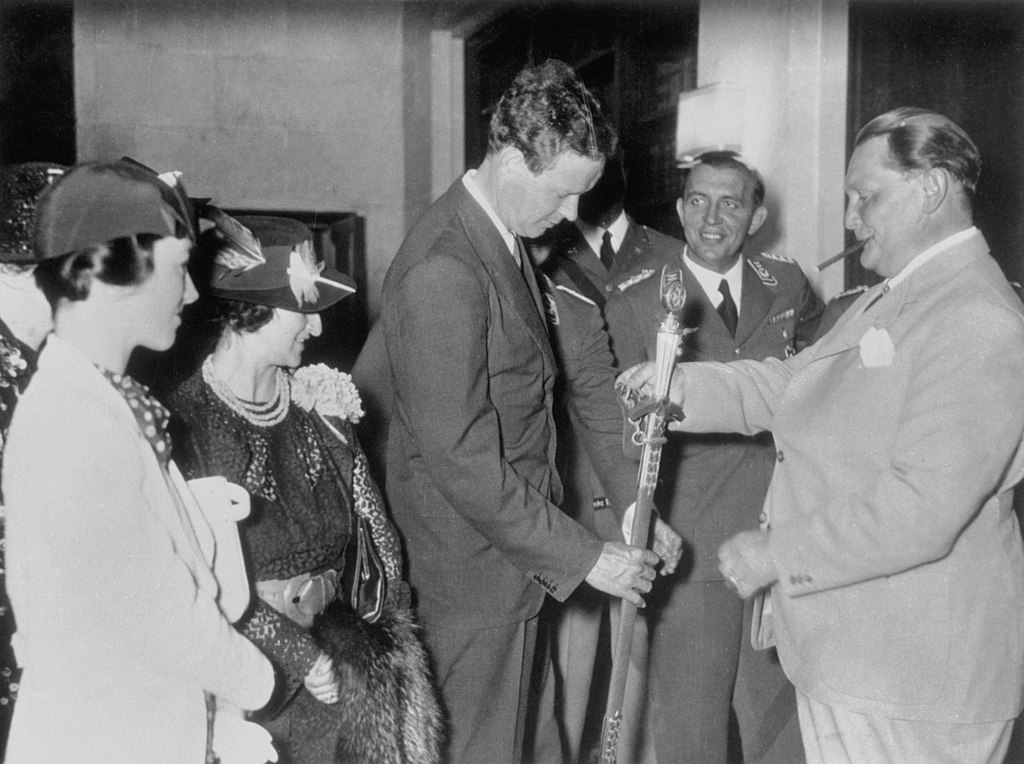
In 1938, Lindbergh accepted the Service Cross of the German Eagle, presented by Hermann Göring, head of the Luftwaffe. By then, Nazi antisemitic laws were well established. Jewish businesses had been destroyed during Kristallnacht. Concentration camps were expanding.
~~~~~~~~~~~~~~~~~~~~~~~~~~~~~~~~~~~~~~~
America First—and a Dangerous Line Crossed
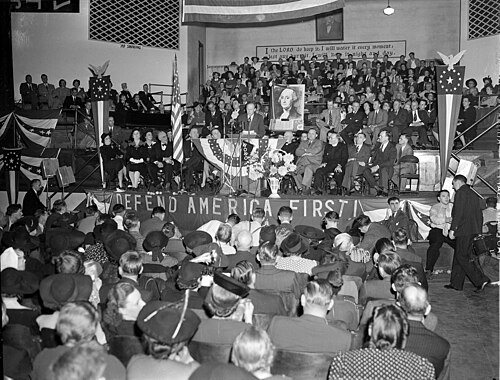
As war erupted in Europe, Lindbergh emerged as the most famous spokesman for the America First Committee, a movement dedicated to keeping the United States out of the conflict.
Isolationism was not radical. But Lindbergh’s rhetoric soon became something else entirely.
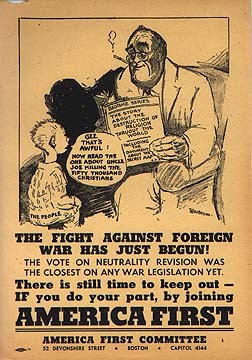
On September 11, 1941, in Des Moines, Iowa, he delivered a speech that stunned the nation:
“The three most important groups who have been pressing this country toward war are the British, the Jewish, and the Roosevelt Administration.”
The backlash was immediate. Newspapers across the country condemned the speech. The Des Moines Register wrote that Lindbergh had “placed himself outside the bounds of responsible American leadership.” The New York Times called the address “a profound moral failure.”
What collapsed in that moment was Lindbergh’s standing as a national hero.
~~~~~~~~~~~~~~~~~~~~~~~~~~~~~~~~~~~~~~~~~~~~~~~
The Day Everything Changed
There was no battlefield defeat. No coup. No foreign invasion.
But there was a single day when Americans realized that admiration for strength, efficiency, and order—when divorced from moral clarity—could slide into something dangerous.
President Franklin D. Roosevelt privately described Lindbergh as a political liability. When the United States entered World War II after Pearl Harbor, Lindbergh was barred from senior military command despite his expertise. His influence was finished.
The fall was complete.
~~~~~~~~~~~~~~~~~~~~~~~~~~~~~~~~~~~~~~~~~~~~~
Not Alone: A Pattern Repeated
Lindbergh was not unique.
Throughout the twentieth century, prominent figures—intellectuals, artists, and technocrats—were drawn to authoritarian regimes that projected stability and power during times of chaos.
- Ezra Pound praised Mussolini and broadcast propaganda for Fascist Italy
- Martin Heidegger aligned himself with the Nazi Party, believing it represented national renewal
- George Bernard Shaw expressed admiration for authoritarian “efficiency” in both Fascist and Soviet systems
In each case, brilliance in one domain was mistaken for moral authority in another. The pattern is familiar—and unsettling.
~~~~~~~~~~~~~~~~~~~~~~~~~~~~~~~~~~~~~~~~~~~~~~
Why This Still Matters
Lindbergh’s story is not about hindsight judgment. It is about how democracies become vulnerable when charisma, expertise, or celebrity replace ethical accountability.
Civilizations do not only collapse when walls fall or armies invade. They weaken when influential voices normalize cruelty, excuse oppression, or confuse order with justice.
History does not always end in ruins.
Sometimes, it ends with applause—until the silence sets in.
~~~~~~~~~~~~~~~~~~~~~~~~~~~~~~~~~~~~~~~~~~~~
Sources:
- https://www.jewishvirtuallibrary.org/lindbergh-accuses-jews-of-pushing-u-s-to-war
- The New York Times, Editorial Board, “Mr. Lindbergh’s Speech,” September 12, 1941.
- Des Moines Register, Editorial, September 13, 1941.
- Charles A. Lindbergh, The Wartime Journals of Charles A. Lindbergh, Harcourt Brace Jovanovich, 1970.
- Wayne S. Cole, Charles A. Lindbergh and the Battle Against American Intervention in World War II, Harcourt Brace, 1974.
- Susan Dunn, 1940: FDR, Willkie, Lindbergh, Hitler—the Election Amid the Storm, Yale University Press, 2013.
 Historical Insight
Leave a comment