“Art belongs to humanity. Without this we are animals.
We just fight, we live, we die. Art is what makes us human”.
– Mikhail Piotrovsky, Director, Hermitage Museum
History is art. Observing it, teaching it, writing it, and studying it is an art in itself. The Renaissance helped to create such an idea, especially as new ideas began and the idea of art transform. Raphael was one such creator of art and history.

Painted sometime between 1513 and 1514, at the height of the Renaissance, Portrait of a Young Man, was one of his more renown works. Often seen as a self portrait. It would soon be seen as a telling story of all young men. Raphael was among the most celebrated artists, known for his masterful use of color, composition, and the ability to infuse emotion into his portraits. Raphael, like many Renaissance artists, often incorporated symbolism and allegory into his works. The elements within the portrait may hold deeper meanings, serving as metaphors for the human condition, the pursuit of knowledge, or the passage of time. Exploring these symbolic layers enhances the richness of the viewer’s experience.
Despite being created over five centuries ago, the themes depicted in “Portrait of a Young Man” remain timeless. The universal emotions and struggles depicted in the painting allow it to transcend its historical context, making it a piece that continues to resonate with audiences today.
But not everyone would see its true beauty. Having survived hundreds of years, at the peak of World War 2, Portrait of a Young Man, would experience a new life. In the midst of the global conflict, this masterpiece, which once captured the essence of Renaissance youth, found itself navigating a time of ultimate turmoil. As the war raged on, countless cultural treasures and artworks became casualties of the destruction. Yet, against the backdrop of chaos, Portrait of a Young Man continued to endured. Amidst the bombings, evacuations, and the precarious state of wartime Europe, efforts were made to safeguard cultural heritage. Many artworks, including Raphael’s masterpiece, were moved to safe havens, tucked away from the ravages of war. But as with all safe houses, discovery was imminent. The Gestapo would soon discover this treasured piece, taking it for their own.
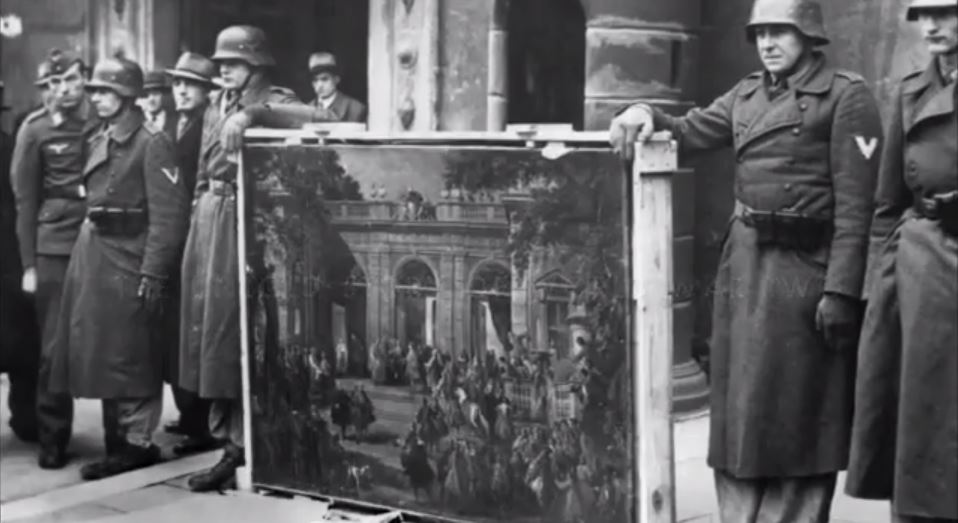
As with many paintings, Nazi’s high ups would keep them for themselves, displaying their theft with pride for many to see or storing them away in the hopes they would never be seen again.
Portrait of a Young Man would survive its theft, thriving on the German walls for many years, until a large storage unit became its home -a clandestine vault of stolen art. Luck was soon on its side, when the Americans discovered the theft, slowly identifying the hiding places of many Nazi’s.
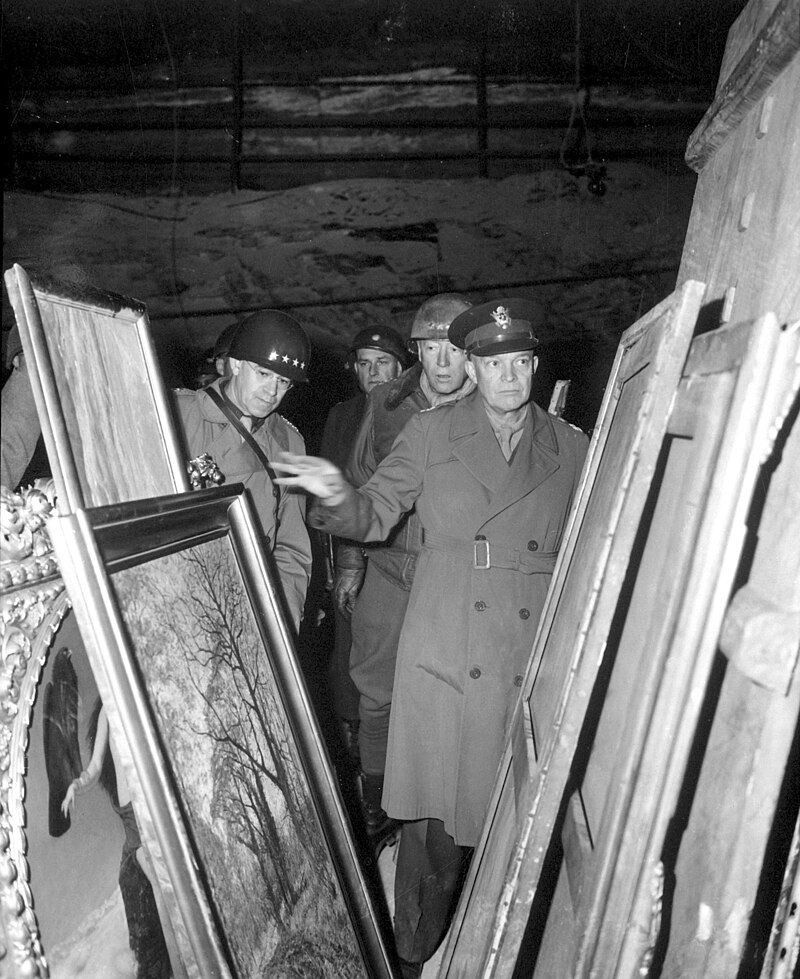
However, upon discovery, Portrait of a Young Man, and hundred of other beloved art were no where to be found. Years would pass with hope as its only survival. Many believed that the art piece was still out there, waiting to be found. The narrative of its disappearance became a poignant symbol of resilience and the enduring spirit of art, surviving against the odds.
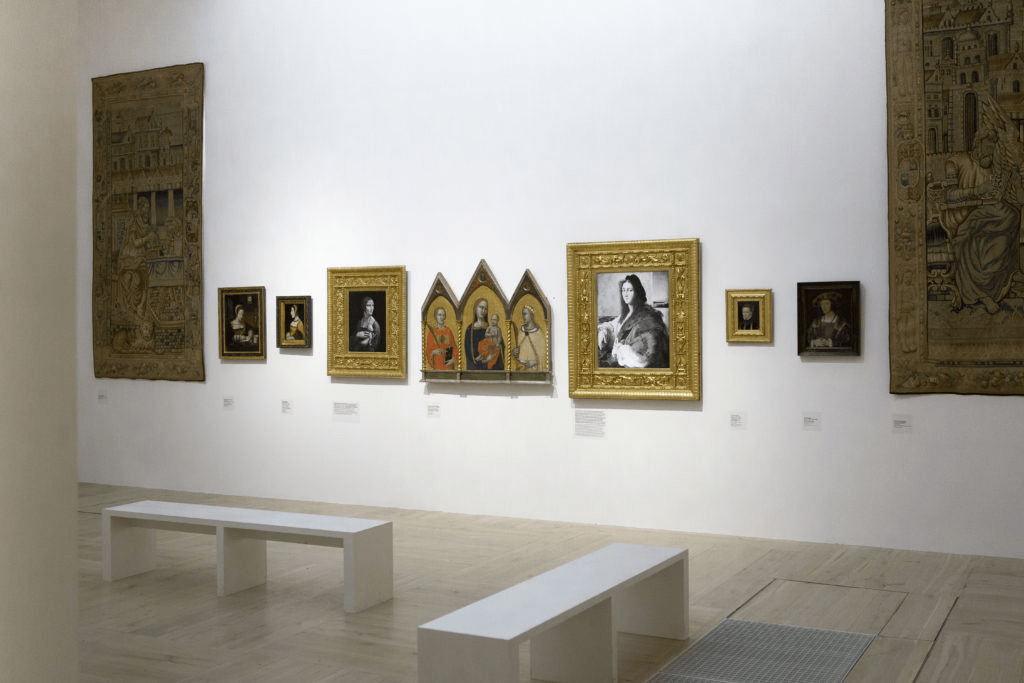
The mystery surrounding the disappearance of “Portrait of a Young Man” added layers to its artistic allure. Where had it vanished to? Who held it captive, and for what purpose? The unanswered questions fueled the imagination of art enthusiasts, turning the stolen masterpiece into an enigmatic symbol of defiance against wartime plunder. In the National Museum of Krakow in Poland, the original empty frame of Portrait of a Young Man, hangs on the wall, making sure it is never forgotten, holding only a black and white photo of itself.
As we continue to uncover the secrets of the past, the hope for the rediscovery of stolen treasures persists, turning each missing masterpiece into a symbol of resilience and the enduring power of human creativity.
 Historical Insight
Leave a comment