“The past is infinitely complex, composed as it is of events, big and small, beyond computation.” – Paul Johnson
The Renaissance, a transformative period spanning from the 14th to the 17th century, stands as a beacon of intellectual and cultural revival in European history. Emerging from the shadows of the Middle Ages, this era witnessed a profound shift in the realms of art, science, and philosophy, ultimately reshaping the cultural landscape of Europe. In this exploration, we embark on a journey to unravel the intricate tapestry of the Renaissance, seeking to understand how it gave birth to a new dawn of creativity, innovation, and intellectual curiosity.
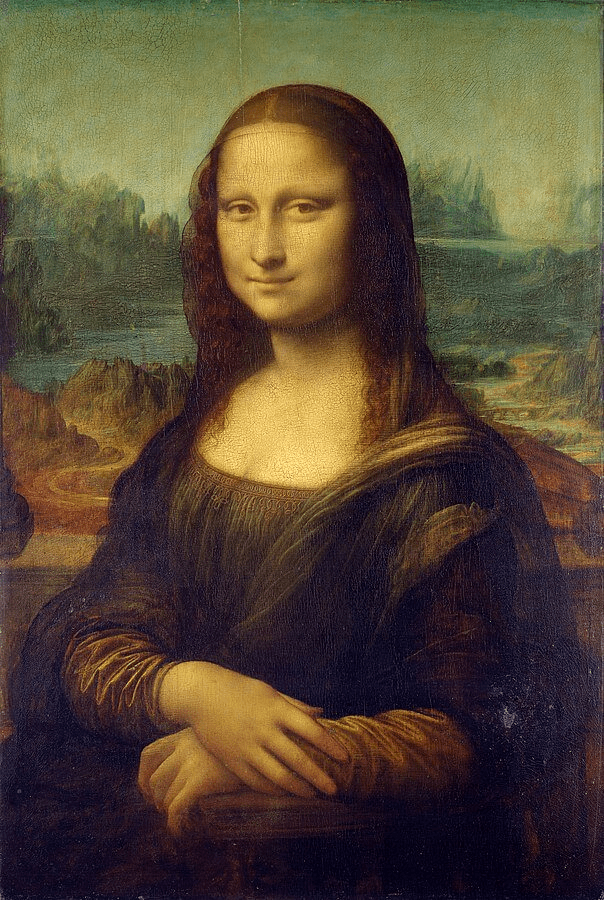
As we delve into the intricacies of this period, we will navigate the canvas of artistic expression, observing the masterpieces that emerged from the hands of visionaries like Leonardo da Vinci, Michelangelo, and Raphael. Simultaneously, we will peer through the lenses of revolutionary telescopes, tracing the celestial pursuits of Copernicus and Galileo, as they challenged the very foundations of astronomical understanding.
The Renaissance was a cultural rebirth that echoes through the corridors of time, influencing the essence of European identity. Join me in this exploration as we uncover the threads that wove together art, science, and philosophy, shaping the Renaissance into a cornerstone of Western civilization.
The seeds of the Renaissance were sown in the fertile soil of a Europe emerging from the darkness of the Middle Ages. Several interconnected factors catalyzed this intellectual and cultural rebirth, serving as the precursors to a transformative era. One pivotal force was the resurgence of classical knowledge and wisdom. The fall of Constantinople in 1453 acted as a catalyst, leading to an influx of Greek manuscripts and scholars into Western Europe. This influx not only preserved the ancient texts but also ignited a renewed interest in the works of thinkers like Aristotle, Plato, and Cicero.
Simultaneously, the bubonic plague, known as the Black Death, which ravaged Europe in the 14th century, triggered profound social and economic changes. The population decline led to a scarcity of labor, empowering the surviving workforce and contributing to the rise of a burgeoning middle class. This social upheaval fostered an environment ripe for innovation and creativity.
Furthermore, the advent of the printing press in the mid-15th century by Johannes Gutenberg played a pivotal role in disseminating knowledge on an unprecedented scale. The ability to mass-produce books democratized access to information, fueling an intellectual curiosity that permeated through all levels of society.
These converging forces — the rediscovery of classical knowledge, shifts following the Black Death, and the technological innovation of the printing press — collectively set the stage for the Renaissance. This period of rebirth not only marked a departure from the medieval worldview but also laid the foundation for the flourishing of art, science, and philosophy that would define Europe for centuries to come.
Art and literature are the core of the Renaissance, especially its influence on the the present. The Renaissance breathed new life into the educational landscape of Europe, ushering in a shift in the way knowledge was acquired. Leonardo da Vinci, the quintessential piece of the Renaissance, played one of the largest parts knowledge and tradition educational norm. Leonardo’s notebooks, filled with sketches, observations, and scientific inquiries, became a testament to the interconnectedness of various fields of study. His teachings inspired a generation of scholars to explore a diverse range of subjects, from anatomy to engineering, fostering a more comprehensive understanding of the world. But none of the knowledge he shared could have prospered without the Printing Press.
A cornerstone in the democratization of knowledge during the Renaissance was the invention of the printing press by Johannes Gutenberg. This technological marvel facilitated the mass production of books, making written knowledge accessible to a broader audience. The impact was profound, as ideas spread beyond the confines of elite circles and religious institutions.
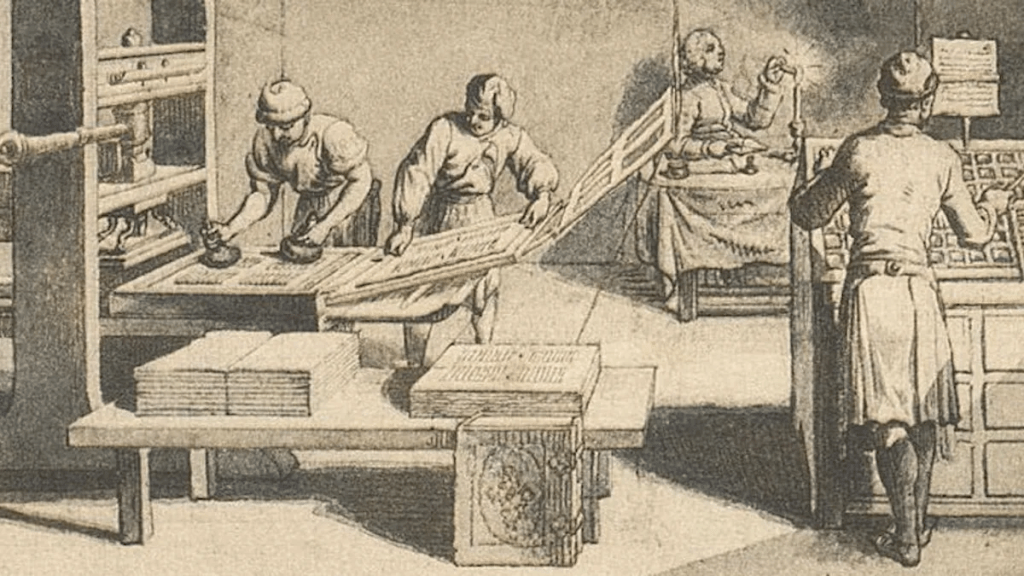
Leonardo da Vinci’s works, previously confined to private manuscripts, gained wider readership through printed reproductions. The dissemination of his artistic and scientific insights, along with those of other Renaissance thinkers, contributed to a cultural and intellectual flourishing across Europe. The printing press catalyzed an intellectual revolution, empowering individuals with the ability to engage with a vast array of ideas, thereby challenging established norms and fostering a culture of inquiry.
The Renaissance’s influence extended far beyond its temporal confines, leaving an indelible mark on European society. The emphasis on education and the pursuit of knowledge laid the groundwork for the humanist ideals that would shape the Enlightenment. The Renaissance’s legacy manifested in the Enlightenment’s rational inquiry, individual freedoms, and the scientific method.
Leonardo da Vinci’s legacy endured through his contributions to art, anatomy, engineering, and more. His approach to knowledge inspired generations of artists, scientists, and thinkers, reinforcing the belief that expertise in multiple disciplines could lead to groundbreaking innovations.
The printing press continued to shape European society by fostering a culture of literacy and intellectual exchange. It played a pivotal role in the Reformation, the scientific revolution, and the spread of Enlightenment ideas. The democratization of information empowered individuals, paving the way for the modern era of knowledge-sharing and intellectual exploration.
What are you thoughts on the Renaissance?
Was its impact on the present truly as profound as history states?
What invention or artist do you feel made the most profound creation during the Renaissance?
The pages of history may turn, but the torch of its story will always remain lit. To quote the eloquent words of Barbara Tuchman, “Books are the carriers of civilization. Without books, history is silent, literature dumb, science crippled, thought and speculation at a standstill.”
 Historical Insight
Leave a comment